
Why views do not tell the full story.
A high view count can look impressive, but it does not prove that your brochure is working. The real value sits in what readers do next, how long they stay, which pages they read, where they click and whether they take action. That is why brochure analytics matter. They help you move beyond surface-level numbers and see whether your brochure is supporting sales, enquiries and better customer decisions.
Page views are easy to count. They are also easy to overvalue. A brochure can get hundreds or thousands of views and still fail to do its job.
- It might attract the wrong audience.
- It might lose readers after the first page.
- It might get opened once and never acted on.
On paper, that can look like success. In practice, it is just noise.
A digital brochure should do more than sit online and collect views. It should help a reader understand your offer, trust your brand and take the next step. That next step might be an enquiry, a booking, a download, a call, a product selection, a sales conversation or a return visit. The value sits in the behaviour after the view, not the view itself.
This is where brochure analytics become useful. Good analytics show what readers actually do. They help you see what works, what gets ignored and where people lose interest. Instead of guessing, you can improve your brochure based on real reader behaviour.
“Brochure analytics matter because they show reader behaviour after a view, including time spent, page depth, clicks, drop-off points and return visits.”
- Views are only the start.
- Why reader intent matters.
- Time spent tells a better story.
- Page depth shows real engagement.
- Clicks show action.
- Drop-off points show where to improve.
- Return visits show interest.
- Traffic sources show which campaigns work.
- Device data shows how people read.
- Analytics help you improve design.
- What success should look like.
- Do you need better brochure analytics?
Views are only the start.
A view tells you that someone opened your brochure. That is all. It does not tell you whether they were interested, whether they found the right information, whether they trusted what they saw, or whether they took any useful action.
This is why page views can be a vanity metric. They look good in reports, but they rarely explain success on their own. A campaign that delivers 5,000 views and no enquiries has achieved less than a campaign that delivers 500 views and 40 high-quality leads.
That does not mean views are useless. They still matter as an entry point. They show reach, awareness and initial interest. But they should sit at the start of the conversation, not the end of it.
“Page views only show that someone opened a brochure. They do not prove engagement, intent, trust or conversion.”
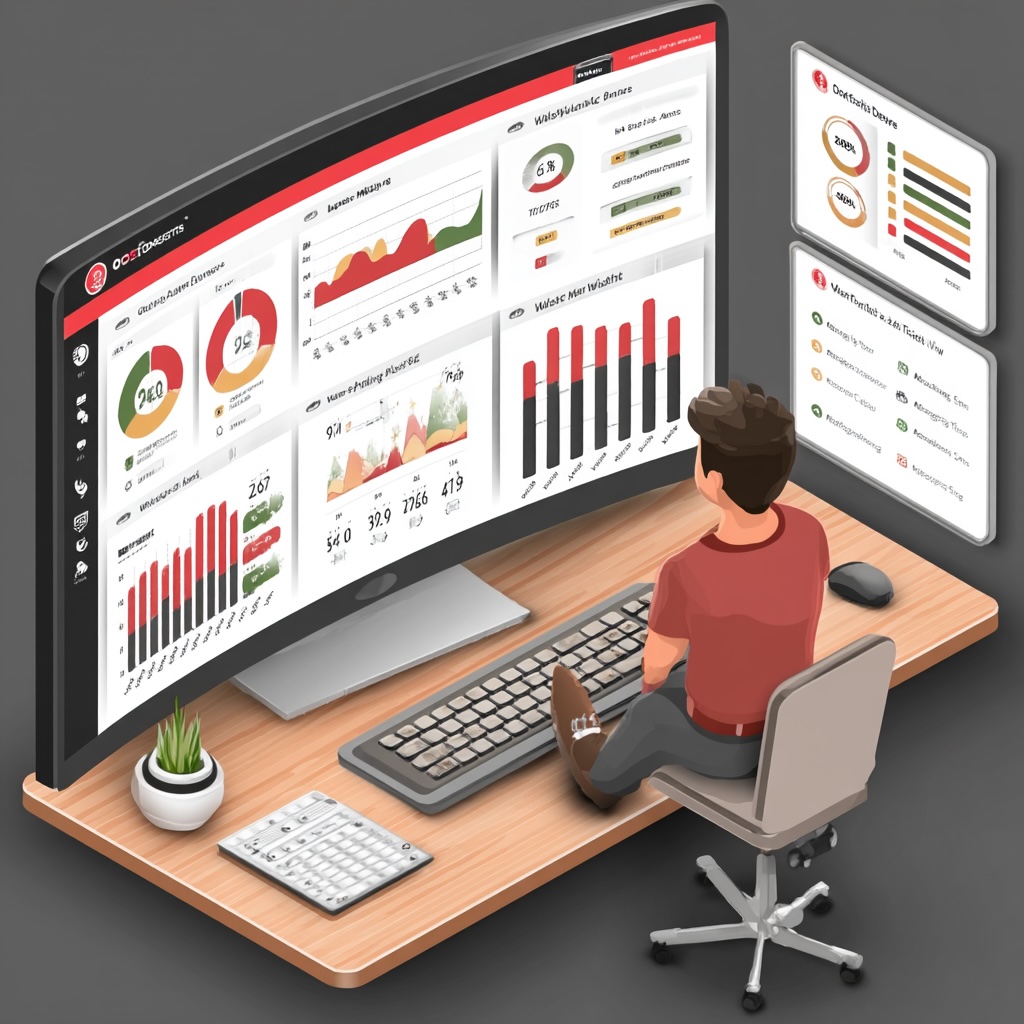
Why reader intent matters.
Every brochure has a job to do. A sales brochure should help sell. A product brochure should help people compare and choose. A corporate brochure should build trust. An event brochure should support attendance. A prospectus should help someone decide whether to apply, visit or ask for more details.
The right metrics depend on that purpose. Before you judge performance, you need to know what success means.
- If the brochure is there to support sales teams, you may care about shares, repeat visits and product page engagement.
- If it is part of a paid campaign, you may care about source, enquiry clicks and conversion rate.
- If it supports existing customers, you may care about downloads, dwell time and key content views.
Without this context, you can end up measuring the easiest thing rather than the right thing.
“The most useful digital brochure metrics include engaged readers, average reading time, key page views, call-to-action clicks, downloads, shares, and enquiry quality.”
Time spent tells a better story.
Time spent is one of the simplest ways to understand interest. If people open a 20-page brochure and leave after six seconds, something is wrong. The cover might not connect with the campaign. The opening message might be unclear. The reader might have expected something else.
If readers spend several minutes in the brochure, that suggests a higher level of interest. They may be reading, comparing, returning to key sections or sharing the content with someone else.
Time spent should still be judged carefully. A long time on a page can mean interest, but it can also mean confusion. This is why you should read it alongside other metrics, such as page depth, clicks and drop-off points.
Page depth shows real engagement.
Page depth shows how far people travel through your brochure. This is much more useful than a simple view count because it shows whether your content holds attention.
- If most readers leave after page one, your opening is failing.
- If readers skip the contents page and go directly to a specific section, that section may be the real reason they opened the brochure.
- If readers regularly reach the final pages, your structure is probably doing its job.
This data can help you make better decisions.
- You may move important messages closer to the front.
- You may shorten weaker sections.
- You may turn a popular section into a separate brochure, landing page or campaign asset.
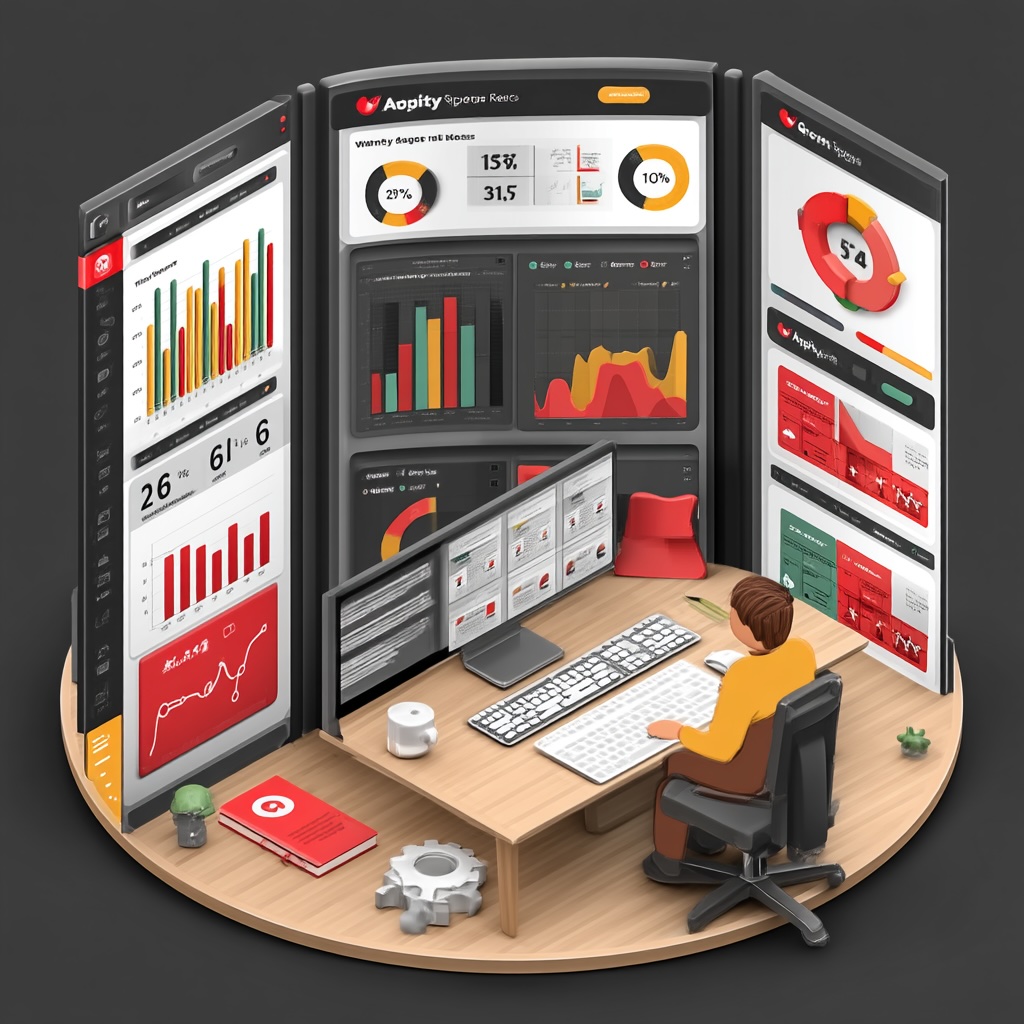
Clicks show action.
Clicks are often where interest turns into action. A reader who clicks a link, opens a product page, watches a video, taps an email address or selects a call button has moved beyond passive reading.
This makes click data one of the most useful parts of brochure analytics.
- It shows which calls to action work.
- It shows which pages create intent.
- It shows whether readers are ready to move from the brochure to the next step.
Clicks can also expose missed chances. If a page gets strong attention but no clicks, the call to action may be too weak, too hidden or too vague. The reader may be interested, but unsure what to do next.
Drop-off points show where to improve.
Drop-off data can be uncomfortable, but it is often the most useful data you have. It shows the point at which readers decide they have seen enough.
Sometimes that is fine. A reader may only need one section. But if large numbers of readers leave at the same page, you should look closely at that part of the brochure. The page may be too text-heavy. The message may be unclear. The design may slow the reader down. The content may answer the wrong question.
This is where digital brochures give you a clear advantage over printed brochures. A printed brochure gives you little feedback once it leaves your hand. A digital brochure can show you where attention rises and where it falls.
“Drop-off points help improve a digital brochure by showing where readers lose interest or struggle to find the information they need.”
Return visits show interest.
A return visit is a strong signal. It shows that the brochure was useful enough for someone to come back to it. This can matter a lot in longer sales cycles, where the reader may need to compare options, discuss internally or revisit details before making contact.
Return visits can also show which brochures support decision-making. A product guide that people open three or four times may be doing a serious job in the sales process, even if it does not generate an immediate enquiry.
For some sectors, this matters more than a fast conversion. A reader may need time. The brochure’s role is to stay useful, available and easy to share.
Traffic sources show which campaigns work.
Knowing where readers come from helps you understand which channels deliver the best audience. Email, paid search, organic search, social media, QR codes, sales teams and partner links may all send traffic to the same brochure. But they will not all perform in the same way.
One channel may send high numbers of quick views. Another may send fewer readers who spend more time and make more enquiries. The second source may be far more valuable.
This helps you spend your marketing budget with more confidence. It also helps your sales and marketing teams work together. If a sales email drives strong engagement with a brochure, you can use that insight to improve follow-up messages and future campaigns.
Device data shows how people read.
People do not all read brochures in the same way.
- Some sit at a desk and review every page.
- Some open a link on a phone between meetings.
- Some scan quickly and return later on a laptop.
Device data helps you design for real behaviour. If most readers use mobile, your brochure must be easy to read on a small screen. Large blocks of text, small buttons and crowded layouts will cause problems. If most readers use desktops, you may have more space for comparison tables, larger images and interactive features.
This is where design and analytics need to work together. Good design improves readability, trust and user experience. Analytics show whether that design is helping people use the brochure properly.
Analytics help you improve design.
A well-designed digital brochure should make information clear, guide the reader and support action. Analytics help you test whether that is happening.
If readers ignore a key section, the issue may not be the subject. It may be the layout. If people reach a product page but do not click, the call to action may need more prominence. If readers leave before the benefits section, the brochure may take too long to get to the point.
This does not mean design should be reduced to numbers. Design still needs judgement, experience and a clear understanding of the brand. But analytics provide better evidence for that judgment. They help remove personal preference from the conversation and refocus on the reader.
What success should look like.
A successful digital brochure is not always the one with the most views. It is the one that supports the right outcome. That outcome may be commercial, practical or brand-led.
Useful success metrics can include engaged readers, average reading time, page depth, key page views, call-to-action clicks, form completions, email clicks, phone clicks, downloads, shares, return visits, and enquiry quality.
The best approach is to create a small set of metrics for each brochure before it goes live. Decide what the brochure is meant to achieve. Then measure the actions that prove whether it is doing that job.
This turns analytics reports into a working tool. It helps you improve your brochure, future campaigns, and understand your audience with greater accuracy.
“A successful digital brochure should be measured against its purpose, such as lead generation, product comparison, sales support, event promotion or customer education.”
Do you need better brochure analytics?
Digital brochures should give you more than a link to share. They should give you insight. They should show how people read, where they engage and what helps them act.
Page views still have their place, but they should never be treated as the full story. The views show that someone arrived. Analytics show what happened next.
If you want a digital brochure that supports your marketing, sales and customer experience, start by asking better questions.
- Who is reading it?
- How long are they staying?
- Which pages matter most?
- Where do they leave?
- What do they click?
- What action follows?
Those answers are where the real value sits.
If you would like to create a digital brochure that is properly designed, built, and measured, call us on 01295 266644 or complete the form, and we’ll get in touch.