
Better navigation, stronger engagement and real insight make digital formats more effective than PDFs.
- Why PDFs Became the Default.
- The Limitations of PDFs.
- Digital Brochures Create Better Experiences.
- Engagement Is Higher with Digital Formats.
- Digital Brochures Provide Valuable Insight.
- Content Can Be Updated Easily.
- Performance and Accessibility Improve.
- Stronger Brand Presentation.
- Common Mistakes When Using PDFs.
- Why Digital Brochures Are the Better Long-Term Choice.
Contact Us Today for More Information
Why PDFs Became the Default.
For many years, PDFs have been the standard format for brochures.
They are easy to create. They are simple to share. Most teams are familiar with them.
This convenience has made PDFs the default choice for presenting information.
However, the way people consume content has changed.
Users now expect faster, more interactive and more accessible experiences. Static documents no longer meet these expectations in the same way.
This is where digital brochures offer a clear advantage.
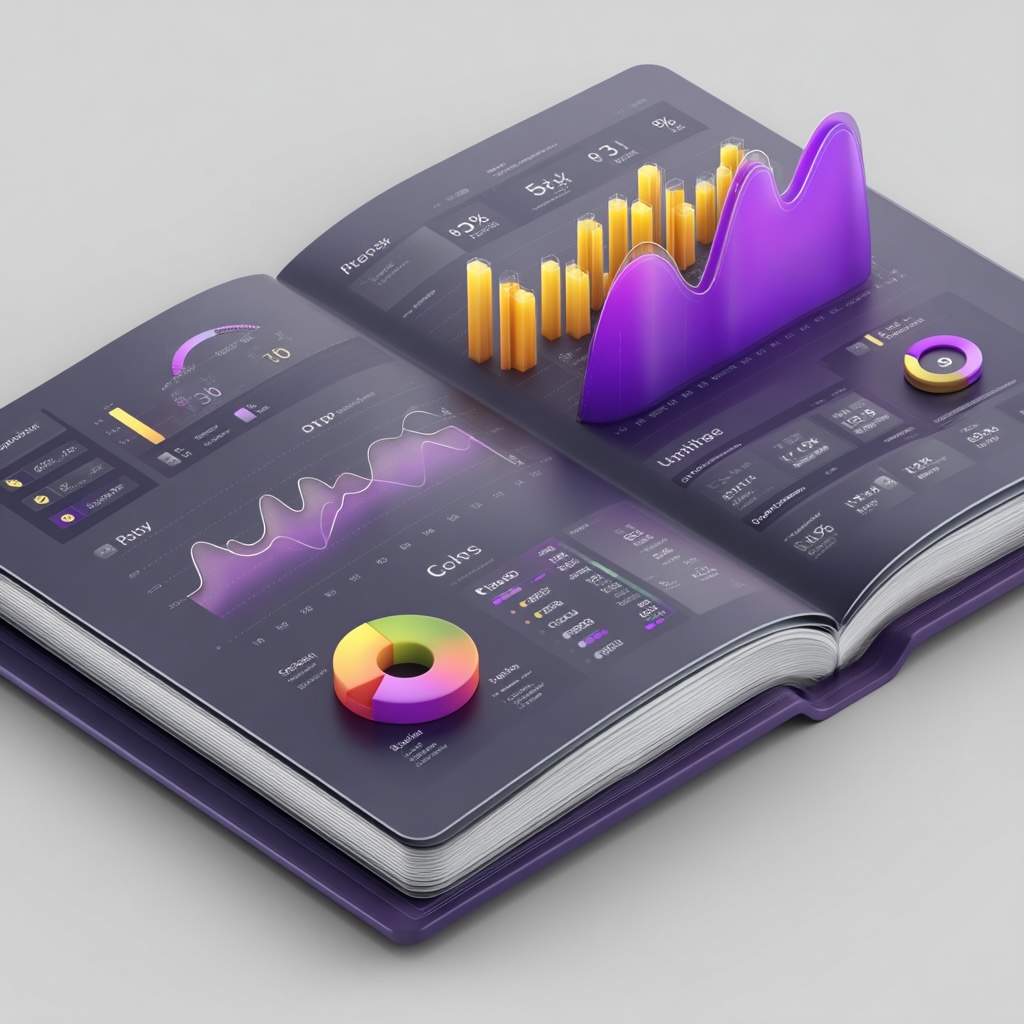
“Digital brochures offer better engagement and usability compared to static PDFs.”
The Limitations of PDFs.
PDFs are static by nature.
Once created, they present information in a fixed format. This creates several limitations.
Firstly, navigation can be difficult.
Users must scroll or search manually to find information. There is no intuitive structure to guide them.
Secondly, PDFs are not optimised for all devices.
On mobile, text may appear small or require zooming. This creates friction and reduces usability.
Thirdly, PDFs provide little insight.
It is difficult to understand how users interact with the document, what they read or where they lose interest.
These limitations affect engagement and effectiveness.
Digital Brochures Create Better Experiences.
Digital brochures are designed for modern consumption.
They present content in a structured, interactive format that adapts to different devices.
Navigation is clearer.
Users can easily move through sections, explore content in a logical order, and focus on what matters most.
Visual elements such as animation, video and interactive features enhance the experience.
This creates a more engaging and intuitive way to present information.
Engagement Is Higher with Digital Formats.
Engagement depends on how easy and enjoyable the content is to consume.
Digital brochures improve this in several ways.
They reduce friction.
Users do not need to download files or adjust settings. Content loads quickly and works across devices.
They also encourage exploration.
Interactive elements and clear navigation make it easier for users to engage with multiple sections.
This leads to longer time spent and deeper interaction.
In contrast, PDFs often result in brief, surface-level engagement.
Digital Brochures Provide Valuable Insight.
One of the biggest advantages of digital brochures is the data they generate.
They allow teams to track how users interact with content.
This includes:
- Which sections are viewed the most.
- How long users spend on each page.
- Where users drop off.
This insight is valuable.
It helps teams understand what works and what needs improvement.
PDFs do not provide this level of feedback.
Once shared, it is difficult to measure how they are used.
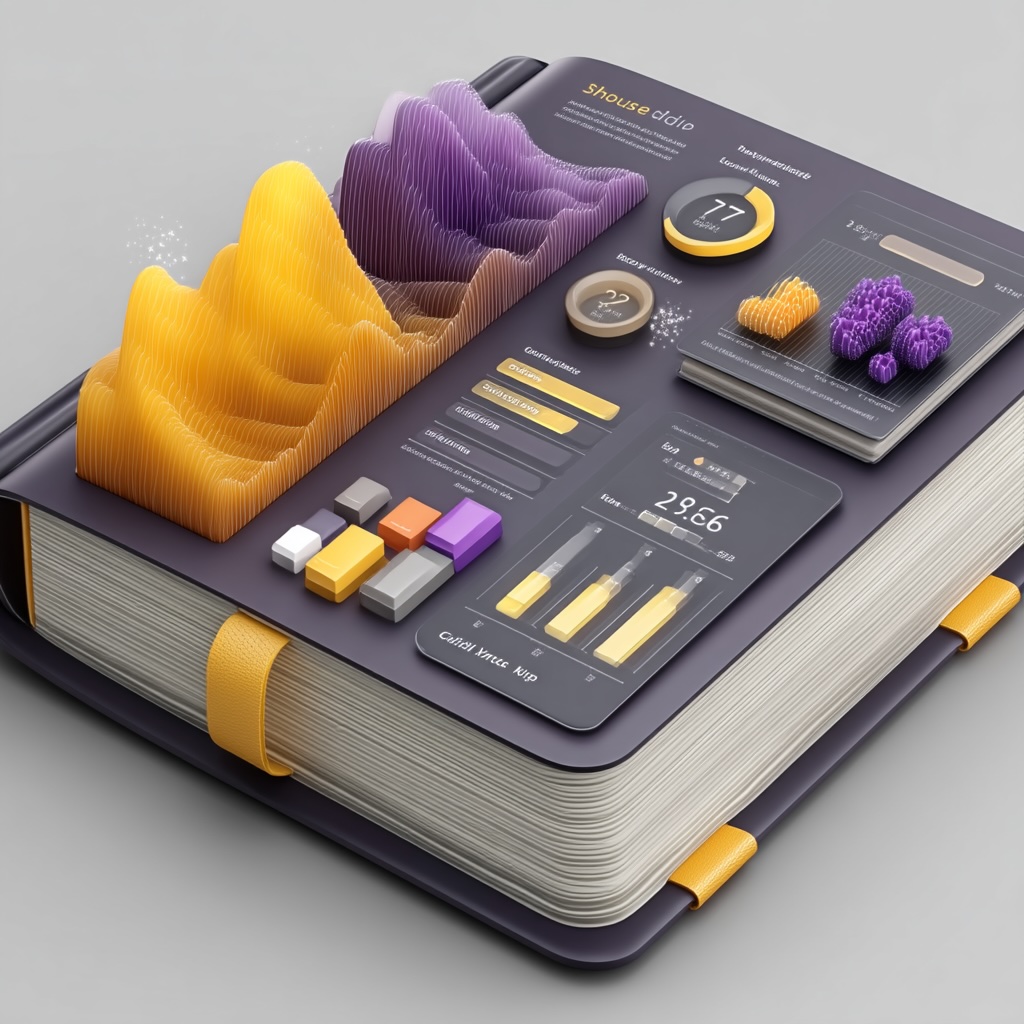
“Digital brochures provide data insights that PDFs cannot track.”
Content Can Be Updated Easily.
Updating a PDF often requires creating a new version.
This can lead to multiple versions in circulation, causing confusion.
Digital brochures solve this problem.
Content can be updated in one place, and changes appear immediately.
This ensures that users always see the latest information.
It also reduces the time and effort required to maintain accuracy.
Performance and Accessibility Improve.
Digital brochures are built for performance.
They load quickly and adapt to different screen sizes.
This improves accessibility.
Users can engage with content on mobile, tablet or desktop without difficulty.
PDFs often struggle in this area.
Large file sizes can slow loading. Fixed layouts can reduce readability on smaller screens.
Improved performance leads to better user experience.
“Interactive formats improve navigation, accessibility and user experience.”
Stronger Brand Presentation.
Digital brochures offer greater control over presentation.
Design, layout and interaction can all be tailored to reflect the brand.
This creates a more cohesive experience.
Animations, transitions and interactive elements can reinforce brand personality.
PDFs are more limited.
They rely on static layouts and cannot deliver the same level of interaction.
Stronger presentation supports stronger perception.
Common Mistakes When Using PDFs.
Many organisations continue to rely on PDFs out of habit.
This can lead to several issues.
One common mistake is using PDFs for content that changes frequently.
This results in outdated information being shared.
Another is using PDFs for mobile audiences.
Users may struggle to read or navigate the document.
A third issue is treating PDFs as the primary digital experience.
In many cases, they should be a secondary format rather than the main one.
Recognising these limitations helps teams make better choices.
Why Digital Brochures Are the Better Long-Term Choice.
Digital brochures align with how users expect to consume content today.
- They are flexible, interactive and measurable.
- They support engagement and provide insight.
- They allow brands to present information clearly and consistently.
PDFs still have a place.
They can be useful for offline access or formal documentation.
However, as a primary communication tool, they are limited.
Digital brochures offer a more effective alternative.
They turn static information into an experience that users can explore and interact with.
This shift improves engagement, supports better decision-making and strengthens overall communication.
For organisations looking to present information more effectively, the choice is becoming clear.
Digital brochures do more than replace PDFs.
They improve how content works.